
 VISIT US
  CONTACT US
  SUPPORT US
 APPLY NOW
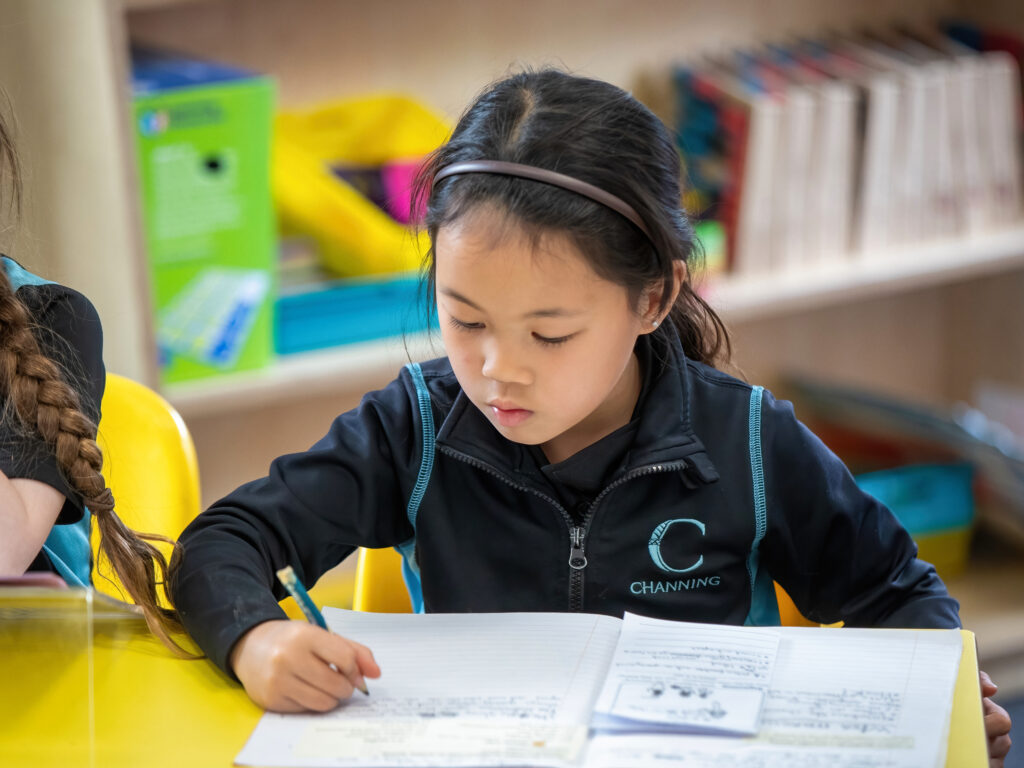
This year, we have continued to champion philosophical enquiry as an essential tool for personal growth and lifelong learning. Our mission at Channing Junior School is to develop a culture of ambitious and inspirational teaching, empowering our pupils to become critical, independent thinkers. This high-quality environment shines through in lessons, our vibrant daily conversations and the rich learning evidence documented throughout the year. The ‘4C’ principles of Philosophical Thinking (Caring, Collaborative, Creative and Critical) allow pupils to express themselves meaningfully while exploring age-appropriate ideas.
Our dedication has earned us some fantastic news: we have successfully renewed our Bronze Award status. The team at Thoughtful shared this commendation:
“Channing Junior School have been re-accredited Bronze for your sustained commitment and progress across the whole school. Channing Junior School will continue to appear on our map of award schools published by Thoughtful for purposes of information and promotion of the Grow P4C scheme. On behalf of Thoughtful, may I congratulate you on your award.”
Embedding our unique Channing Characteristics into this framework has made philosophy a truly lived experience. Caring thinking comes alive as pupils practise respectful listening and valuing one another, showing empathy and sensitivity to each other’s experiences. In collaborative work, they draw upon personal bravery, responsibility and the self-confidence to share original ideas, build upon one another’s thoughts and support the wider community of enquiry. Critical thinking is driven by a sense of curiosity and independence, as pupils explore concepts, reason effectively and reach sound judgements. Finally, creative thinking encourages them to make connections and suggest alternative explanations, displaying resilience and perseverance when discussing abstract problems.
We have explored a variety of themes and ideas across the school this year. Reception pupils began developing their speaking, listening, reasoning and turn-taking skills while exploring questions such as: ‘What is friendship?’, ‘What makes us happy?’ and ‘Would you rather…?’
Year 1 worked on their questioning skills, using ‘lightbulbs’ to help them explore ‘big’ ideas and tackling deeper questions such as ‘Can anything be a toy?’ and ‘Is it ever OK to cut down a tree?’
Using activities such as the ‘Naughty-o-meter’, Year 2 classified actions while listening carefully to their friends and showed respect by agreeing or disagreeing kindly. Linking to The Great Fire of London, they considered questions such as ‘Is Thomas Farriner to blame for the fire?’ and ‘Should someone be punished for an accident?’
By observing teamwork in nature, Year 3 pupils were prompted to ask, ‘Is it better to be a leader or part of a team?’ Using a ‘talking tool’ to ensure everyone was heard, they shifted the focus from winning arguments to thinking together.
Linking to their History work on the Tudors, Year 4 debated ideas including respect, empathy, gratefulness, fairness and equality. They generated questions such as ‘What makes something unfair?’ and ‘Is it fair that some people have more than others?’
Pupils in Year 5 explored the idea of freedom and what it means to be free. They learned the difference between open, closed, factual and philosophical questions and shared their thoughts on these deeper concepts.
Finally, Year 6 developed appropriate scepticism by examining the truth of what is said, questioning evidence and challenging assumptions. Using structured arguments and links to their own experiences, they discussed the meaning of ‘bias’, generating their own questions around the theme ‘Is it possible to be completely unbiased?’
We look forward to displaying our renewed Bronze Award logo on our school stationery and website next year as we continue our journey on Thoughtful’s national map of award schools.