
 VISIT US
  CONTACT US
  SUPPORT US
 APPLY NOW
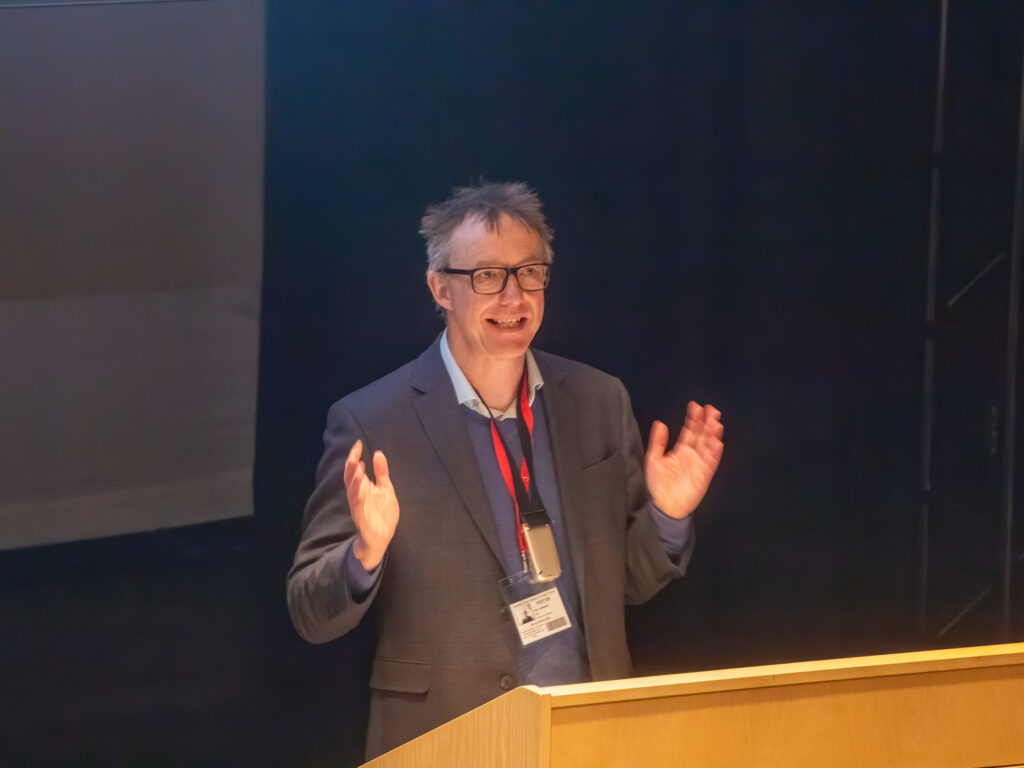
In the Economics department, we hit the ground running the week after Year 13 mocks with a visit from Paul Johnson, Director at the Institute of Fiscal Studies. He came in to discuss some of the contents of his recently released Sunday Times bestseller, “Follow the Money”. This was a joint Economics Society and Economics Book Club event under the new leadership team of Alisa K and Tabitha J in Year 12, who have taken over the running of the society from Amelie R (Year 13).
Paul talked through various aspects of recent fiscal policy and gave the pupils an insight into some staggering statistics which uncovered some uncomfortable truths. Most notably, Paul highlighted increases in expenditure on the NHS without actually remaining competitive in quality when compared to healthcare systems in the EU and across the pond.
The extremely high turnout of Channing students highlighted the interest our pupils have in current affairs, and the quality of questioning indicated how focused they all were during Paul’s insightful talk. We were also extremely pleased to have had the company of pupils from St. Aloysius and now look forward to welcoming Paul back to Channing in the near future at a mutually convenient date. We very much hope that the pupils will get another opportunity for deeper fiscal review and analysis with Paul once again.