
 VISIT US
  CONTACT US
  SUPPORT US
 APPLY NOW
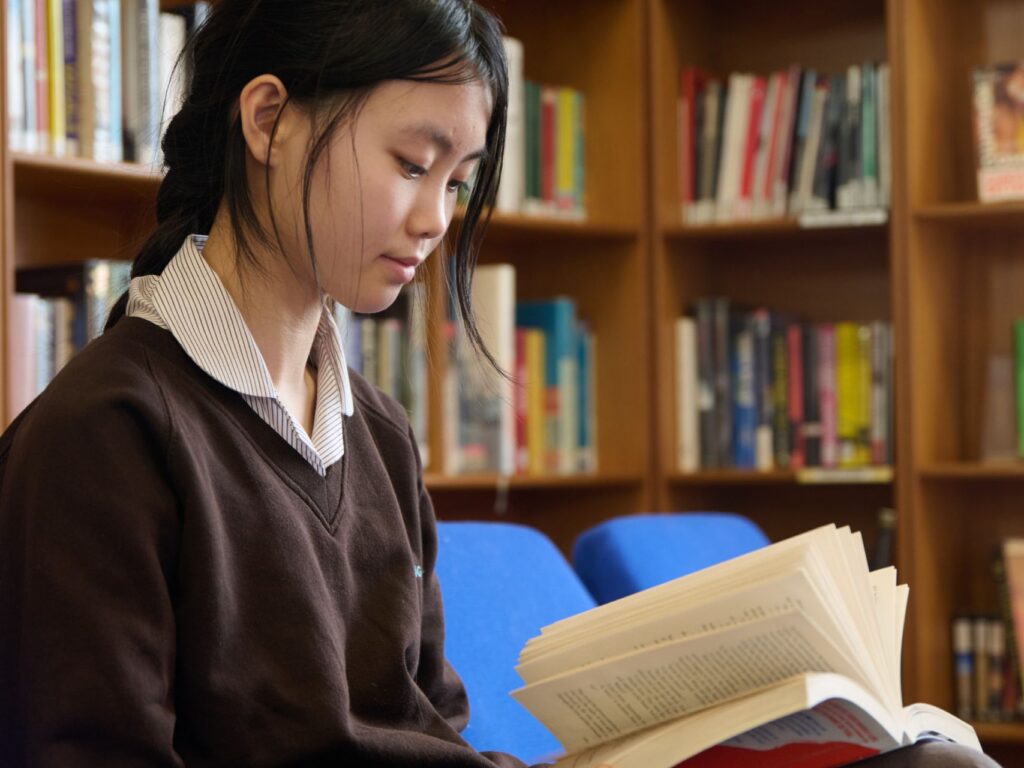
Reading for pleasure among young people is in decline, and the reasons may surprise you. Recent research suggests that the solution lies not in simply handing children more books, but in transforming reading from a solitary activity into a social experience.
As part of the Open University’s Key Stage 3 Reading School’s Programme, we explored what truly motivates young people to read. Our findings revealed two critical factors contributing to the decline: limited knowledge of contemporary Young Adult literature among teachers and parents, and insufficient opportunities for students to share their reading experiences with others.
The Scottish Book Trust’s Young People’s Reading Project uncovered a significant barrier: teenagers often perceive reading as isolating. At a time when socialising becomes increasingly important, young people see reading as something that takes them away from connecting with friends and family. This misconception is driving the decline in adolescent reading.
Our survey of Key Stage 3 students confirmed this. Initially, 50% of students felt that adults in school weren’t interested in their reading, and only 5% enjoyed discussing books with staff. The message was clear: reading felt lonely.
We made reading for pleasure a whole-school priority, beginning with staff development. Teachers across all subject areas, not just English, received training on contemporary Young Adult literature and how to engage students in conversations about books. The impact was remarkable. Staff participated in audiobook series and created review cards for the library, demonstrating that when adults are knowledgeable and enthusiastic, students respond.
Year 8 became our case study. Through a whole-cohort reading initiative led by trained form tutors, these students engaged more deeply than other year groups. When we re-surveyed students in May 2025, the response rate had nearly doubled, and crucially, social reading opportunities emerged as the most popular strategy for enjoying reading. Peer recommendations and group reading projects topped the list—a dramatic shift from our October baseline.
One of our most successful initiatives has been our partnership with Coram Beanstalk to establish one-to-one Reading Buddy Programmes. Year 7 students partnered with Year 9 reading buddies, creating near-peer mentoring relationships. Students appreciated reading aloud, listening to stories together, and building confidence with someone close to their own age. Importantly, this motivated them to read independently outside school.
We’ve extended this work beyond our walls, inviting neighbouring state schools to participate in training and offering ongoing support. Independent schools like ours are well-positioned to pilot such approaches and share expertise with the wider educational community.
Reversing the decline in reading for pleasure requires investment in dedicated leadership roles, professional development, and cross-sector collaboration. All educators, regardless of subject, must understand the benefits of reading for pleasure and share responsibility for fostering it.
The evidence is clear: when young people see reading as a social activity, when they can discuss books with knowledgeable, passionate adults and peers, and when they belong to a community of readers, they choose to read. It’s not about forcing books on children, it’s about creating the conditions where reading becomes an irresistible part of their social world.
This blog post draws on evidence submitted to the Education Committee’s inquiry into the decline of reading for pleasure among children.
