
 VISIT US
  CONTACT US
  SUPPORT US
 APPLY NOW
Year 12 historians examine conflict through a global lens
Channing’s history department is delighted to publish the Year 12 History Journal for Summer 2026, a thoughtful and ambitious collection of independent scholarship inspired by this year’s history conference theme, Global Conflicts.
The journal gives Year 12 students the opportunity to investigate challenging historical questions in depth, drawing on primary evidence, academic research and contrasting interpretations. Across 3 substantial essays, students demonstrate intellectual independence, careful judgement and the confidence to question established narratives.
Readers begin with an exploration of how historians’ portrayals of the Third Crusade have changed over time. The article compares traditional and revisionist accounts of events including the Battle of Hattin and the Siege of Acre, asking how religion, culture and historical context can shape the way the past is presented.
The journal then turns to southern Africa, examining whether the South African Border War and Angolan Civil War can be understood as proxy conflicts driven by Cold War ideology. This wide-ranging investigation considers apartheid, decolonisation and the involvement of the United States, Soviet Union and Cuba, while recognising the importance of local political tensions.
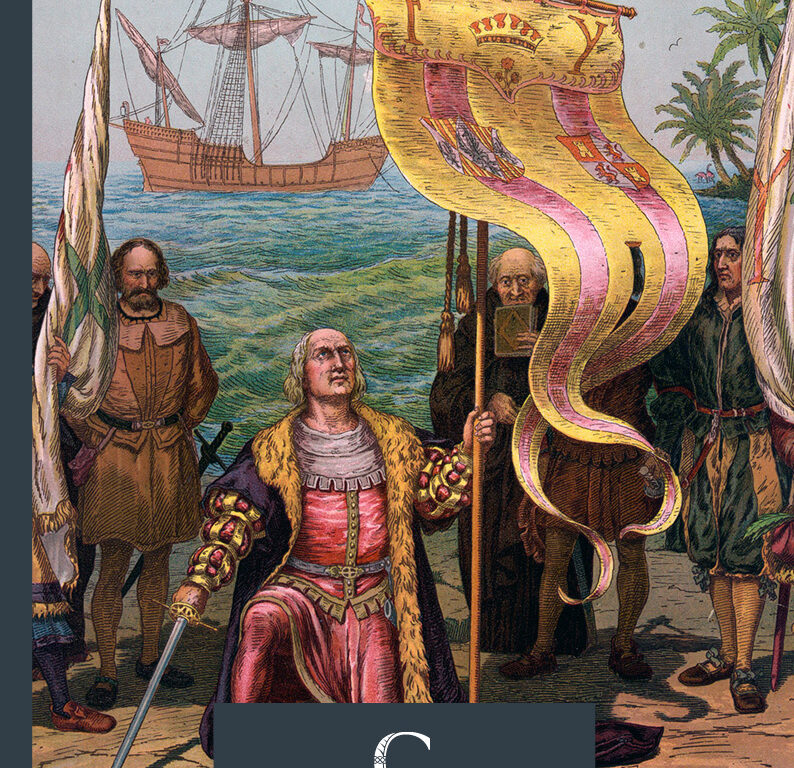
The final article, Crops, Coins and Catastrophe, investigates how the Columbian Exchange influenced global conflict during the 17th-century General Crisis. Connecting environmental, economic and political history, it considers how crops, precious metals, population growth and international trade contributed to instability across continents.
Congratulations to all 3 students on this impressive publication. We hope readers across the Channing community enjoy engaging with their ideas and discovering new connections across periods, places and perspectives.
Read the full journal below, or download the file here.